Helping your senior dog live well
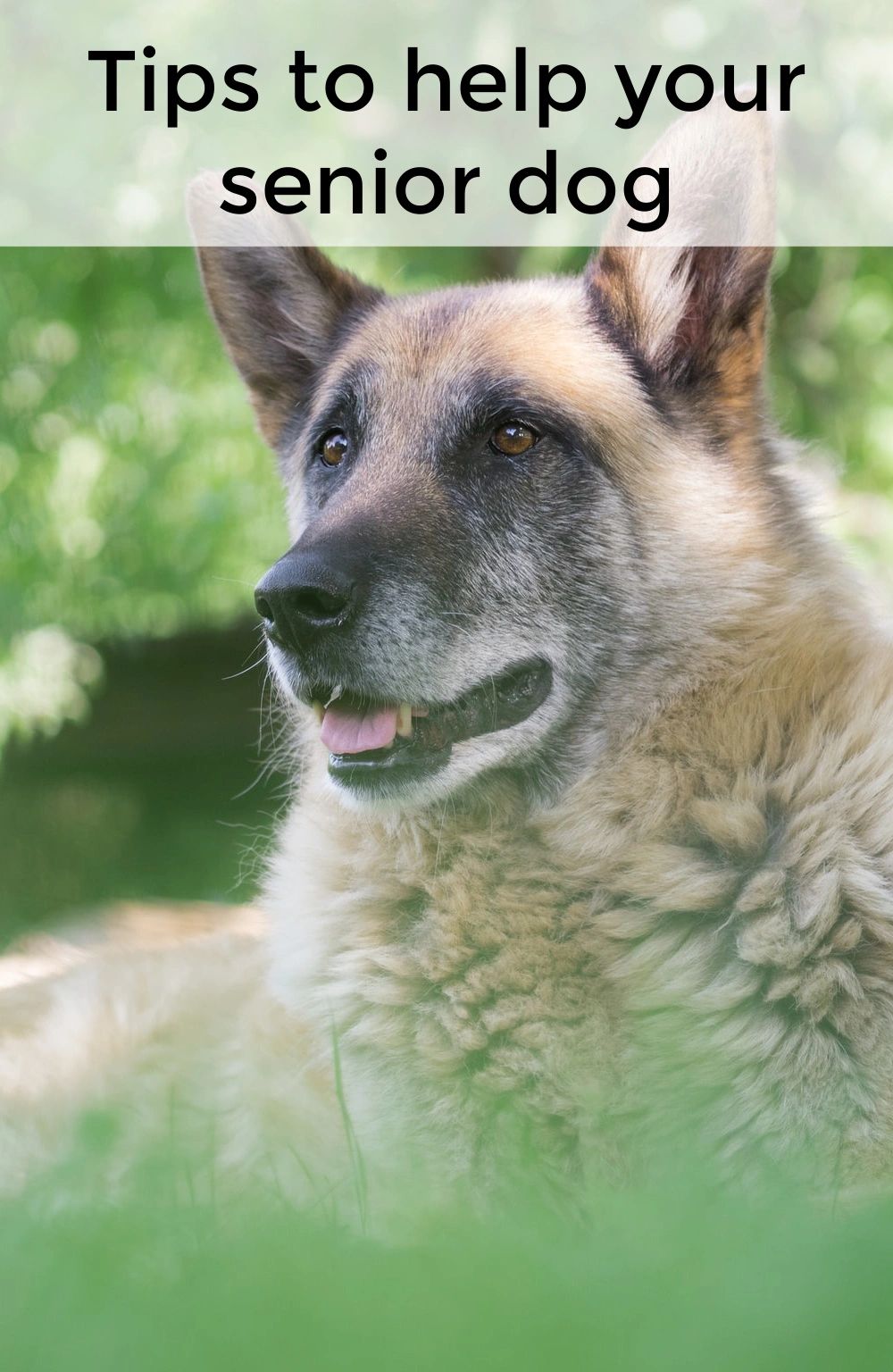
Do you have any senior dogs? Maybe you’re not sure what a senior dog is, exactly. I’ve come across a few different definitions of when a senior is a senior;
- A dog who is the age of 7 or older.
- When they have lived 75% of their expected lifespan
- Differing by size, 10-12 years for small dogs, 7-9 years for medium-sized dogs, and 6-7 years for large dogs.
These can all mean very different things, so how do you know? Senior dogs show aging in unique ways. We have a 12-year-old dog that usually acts like a pup. According to all three of those criteria, he is a senior, even though he doesn’t act like it.
Recognizing senior dogs as senior
Being a senior is just a label, really. The question to ask is whether your dog is having aging issues. And the best way to figure that out is by taking note of changes. Are they having issues like these?
- Not as active as they used to be.
- Arthritis/pain issues.
- Less agility or ease of movement.
- Weight gain or loss.
- Change in drinking/urination patterns.
- Dental problems.
- Vision problems.
- Cognition issues.
- Thyroid or other metabolic issues.
- Depression or other mental changes.
Each of these issues has its own set of circumstances and treatments. The best way to help your senior is to address their issues. You most likely won’t be able to cure all of the problems, but you might be able to find ways to make them less bothersome.
Living with senior dogs
We rescue dogs from time to time and usually, they are seniors who’ve not had easy lives. They often have arthritis/pain and other issues that haven’t been addressed. Our goal is to make them as happy and comfortable as possible.
While the elderly dogs usually have issues, they each have to deal with them in their own ways. But sometimes it's the simple things that make a difference.
Just addressing the presence of pain and finding ways to ease it is a huge step. Sometimes, it’s as simple as providing a quiet, comfortable place to lie down. What works just depends on the situation.
Having a senior-friendly home for your dog
Other steps that can help senior dogs live happier lives are making modifications to your home to address the changes of aging. Steps to consider are:
- Use nightlights to help dogs with decreased vision.
- Take extra steps to let your dog see you if they can’t hear well.
- Place ramps so your dog can get up on things that are no longer easy to jump upon.
- Using rugs or otherwise making the floor less slippery to walk on.
These are only a few ideas for you to try out. With a little creativity, you’re likely to come up with many more. Read this post for more ideas. The main thing is to pay attention to senior dogs and address the issues you see. Each step you take can make things just a little better.
Is it worth it?
For a dog parent such as myself, it’s absolutely worth it to go to the extra effort of making senior dogs more comfortable. They have so much love to give and so much wisdom. I wouldn’t have it any other way. How about you?
Here are a couple of posts I’ve written that have to do with helping these guys.
What is acupressure and how can it help your pet?
I also found this post from PetMD that has a bunch of helpful information.




No comments:
Post a Comment