Dogs and chiropractors; what you need to know
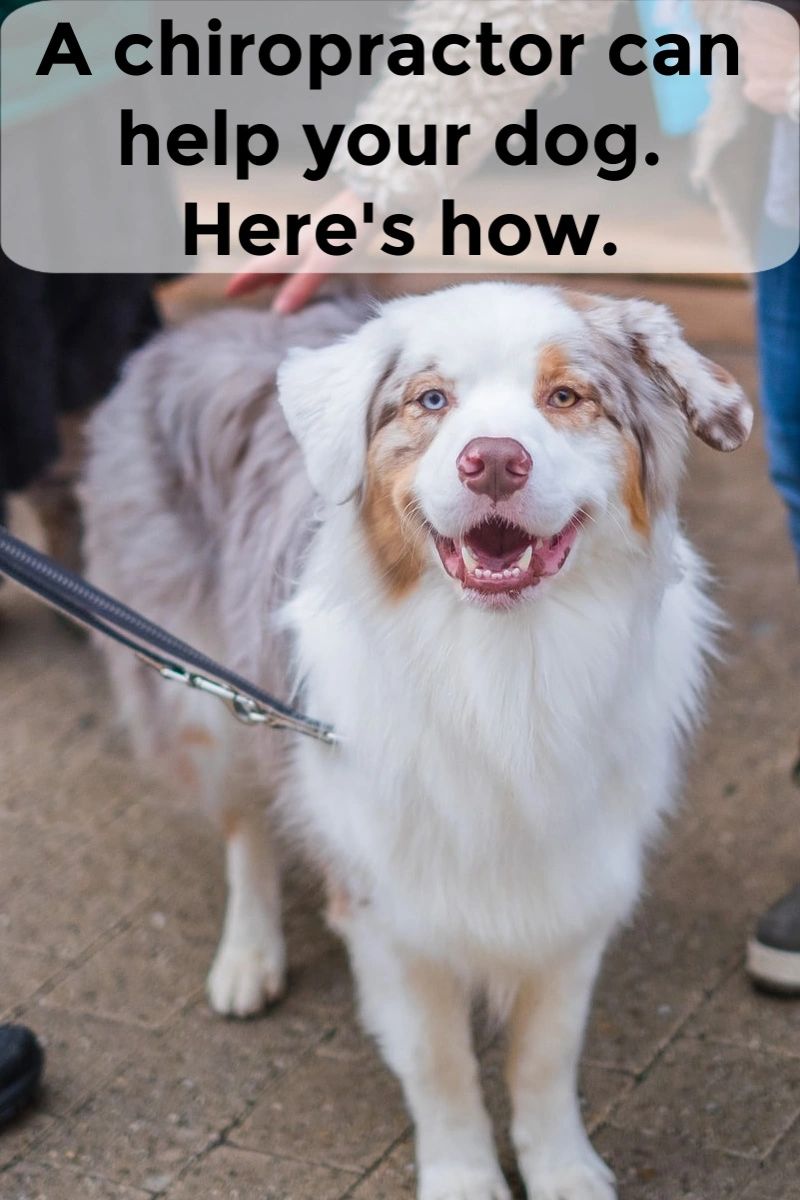
What is a dog chiropractor?
A dog chiropractor specializes in dogs and other pets, manipulating misaligned joints to bring them back to a healthy state.
In the U.S., they are required to earn an advanced degree as a human chiropractor or in veterinary medicine, then be licensed in the state or states they practice in. So, although chiropractic care is considered "alternative", it is becoming much more respected and main stream.
Why would you take your dog to a chiropractor?
Have you ever been to a chiropractor for yourself? If you have, you know that they work on your back and joints to help you feel less pain and move better. Their job is to align the skeletal system to decrease problems and increase the health of bones, joints, nerves, muscles, and other issues. After a session, hopefully, you have less pain and can move more easily. I know I sure feel more energetic!
Although they can’t tell us what’s wrong, your dog can feel the same aches and pains we do, If you watch them move and pay attention to their behaviors, you might even notice something off.
What kinds of issues can a dog chiropractor help with?
The list is actually pretty long; some issues you might guess, while others are surprising. A partial list includes
– Relieving pain, especially along the spine or in the extremities
– Correcting movement changes or lameness
– Realigning musculoskeletal issues
– Resolving neurologic conditions like numbness or weakness
– Assisting in recovery after an injury, accident, or surgery
– Addressing behavior issues like loss of interest in playing, avoidance of petting or contact, or constant licking
– Reducing the effects of allergies, digestive problems, and stress
Hard to believe that so much is connected to just having your back cracked!.
I take my dogs to a chiropractor
I take my dogs to a chiropractor on at least a semi-regular basis. As each dog gets treated, I’ve observed improvements in their health and mood. I’ve had elderly, rescue dogs with severe back problems start acting like they have life in them again. And my dogs with hip dysplasia are having much less pain.
One of the results not listed above is that they often need less pain medication after an adjustment. This means fewer side effects of medicines that are no longer needed or needed as frequently. Read my post, How do you know if your dog is in pain for more ideas about treating your dog’s pain.
It isn’t terribly expensive; maybe around the price of an office visit for your dog. I would recommend it for any of your pets that might have pain or other issues. They’ll thank you for it! And you’ll feel better knowing they feel better.
For more about pet chiropractors, visit the AVCA website. If you have animals with pain issues, here are some other avenues to consider.
What is acupressure and how does it help your pet?
Can Reiki help your dog, cat or horse?




No comments:
Post a Comment