Can fish oil help my dog?
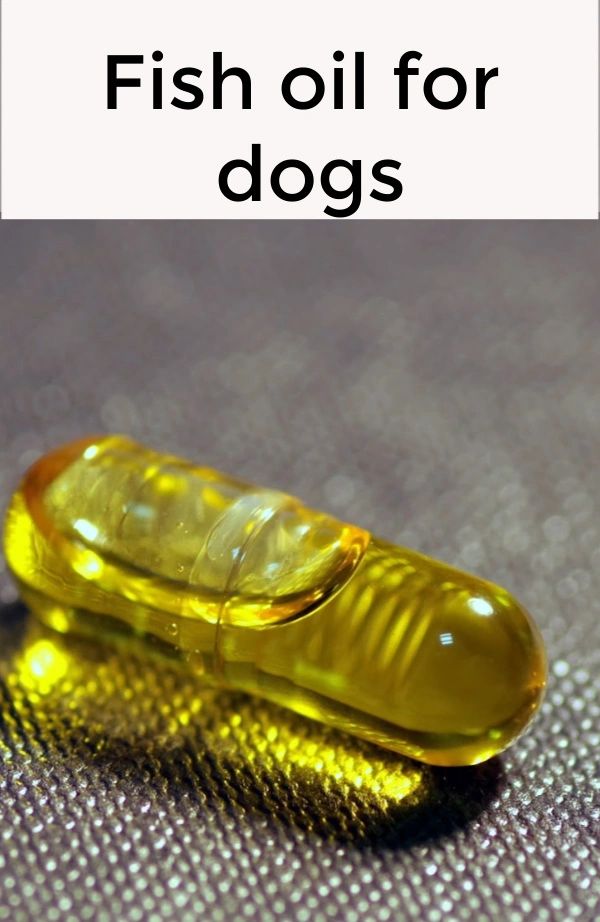
Fish oil for dogs can be a great addition to their diet for a lot of reasons. It’s been recognized for its health benefits for humans for centuries, but did you know it can help your canine friends too? But there is a downside. Here’s what you need to know before you decide if you should give fish oil to your dogs.
What makes fish oil good for your dog?
It has omega-3 fatty acids, essential to building cells and providing energy. It also decreases inflammation, making it worth considering if your dog has pain issues. Since their bodies don’t produce enough of these fatty acids, your dog needs to eat foods like shellfish, salmon, or tuna.
What kinds of conditions does fish oil help with?
This supplement helps with issues such as:
- Skin allergies. Omega-3s can decrease the irritation from allergies and itchy skin, as well as those annoying hot spots.
- Arthritis. The anti-inflammatory properties can work like NSAIDS to ease the discomfort of arthritic joints.
- Heart health. Fish oil has been found to help with abnormal heart rhythms and decrease triglyceride levels.
- Cancer. It may inhibit tumor growth by keeping the cells from reproducing and the tumor from growing.
- Brain health. DHA in fish oil is important for developing puppy brains as well as decreasing the effects of cognitive dysfunction in older dogs.

What are the cons of fish oil for dogs?
Your dog might get a fishy odor on their breath or have flaky skin, which can be annoying but not harmful. They may also have gastric issues like upset stomach or diarrhea. The more severe conditions to be aware of are:
- Decreased clotting. Fish oil, especially at higher doses, can keep clots from forming so your dog could be more likely to bleed when injured or undergoing surgery.
- Slowed wound healing. Since fish oil decreases inflammation, it slows down the activities of white blood cells and their function in wound healing, especially in the first few days.
- Slowed response to infection. Inflammation helps the body fight off infection. The decreased response caused by fish oil can slow that response.
It is possible to overdose your dog with fish oil. Be sure to check with your veterinarian for dosing information and possible risks.

How should you give it to your pet?
Fish oil for dogs in the form of capsules or liquids is readily available online and in stores. You’ll want to check the doses and the quality of the type you choose since supplements are not well regulated.
You can feed fresh fish to get the benefits, as well. However, the amount of omega-3s can be challenging to measure from fresh fish, so if your pet has specific needs, it may be hard to get a consistent effect this way.
Some commercial foods have fish/fish oil listed as an ingredient. The preservatives necessary for dry food make the quality and effectiveness much less dependable and can even make it harmful. Feeding commercial foods with fish oil is not likely to be helpful.
I’ve just touched the surface of what fish oil with its Omega-3s can do for your dogs. For more information, please read this article from PetMD or talk to your vet.
Should you give fish oil supplements to your pet?
These supplements are easy to come by and not expensive. They have quite a few benefits for helping your dog be more healthy. If dosed appropriately, they can really help your dog. Do you give your dog fish oil? Tell me about it in the comments below.




No comments:
Post a Comment