How can you help your anxious dog?
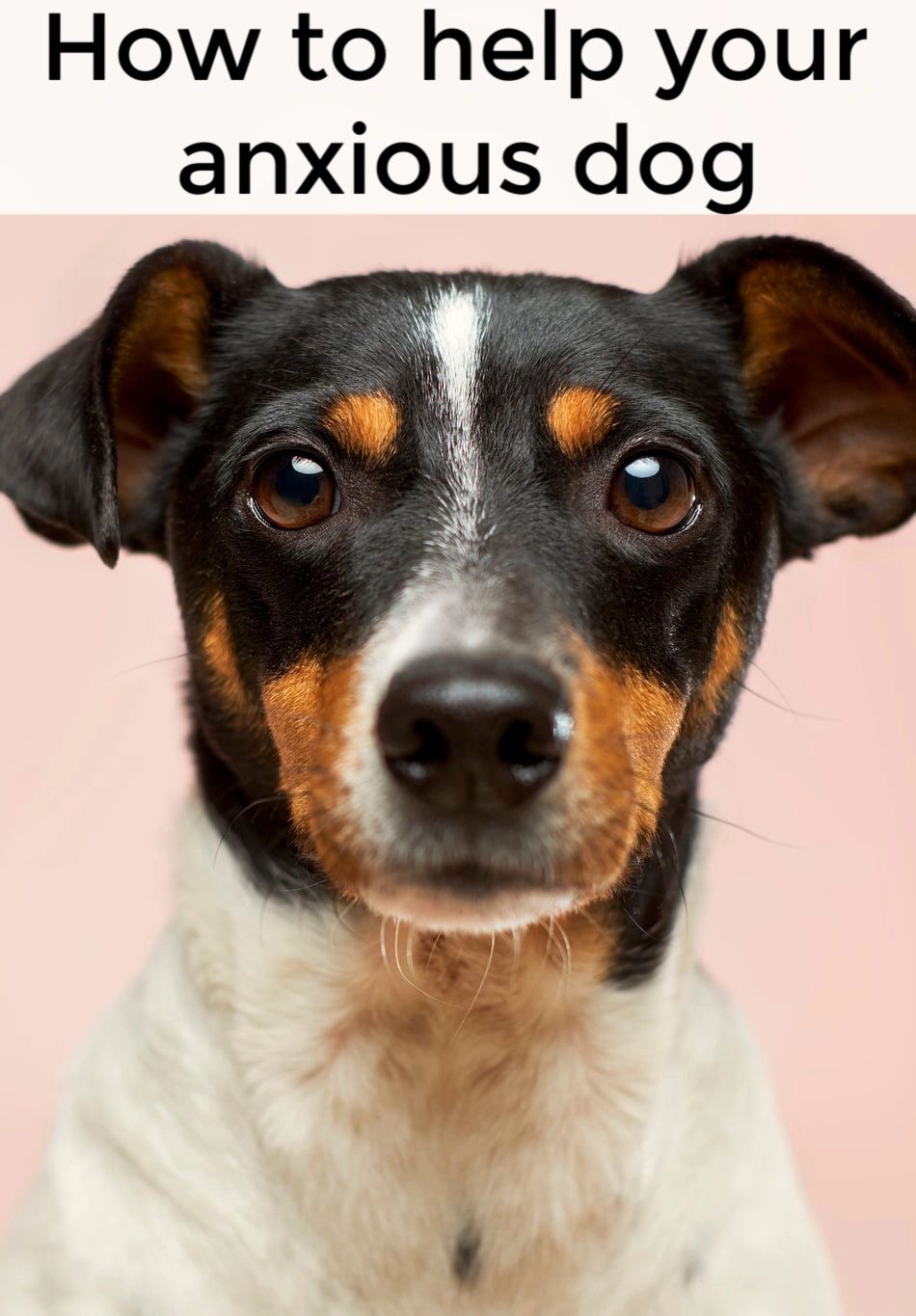
An anxious dog is not a happy dog. Do you know how to recognize when your dog is scared or nervous? Maybe you know how to recognize it, but what can you do to help your pup?
Do you have an anxious dog?
Usually, he or she is happy-go-lucky, relaxed, and ready to have fun. But then something happens that transforms them into a dog that you might not recognize. Is your usually relaxed dog
- pacing
- drooling excessively
- wide-eyed
- trying to hide
- tucking the tail
- trembling
If you see these or other uncharacteristic behaviors, your dog might be experiencing a case of the nerves. It’s a good thing to be aware of. Knowing is the first step in helping them feel better.Then you will be more able to recognize when they need help.
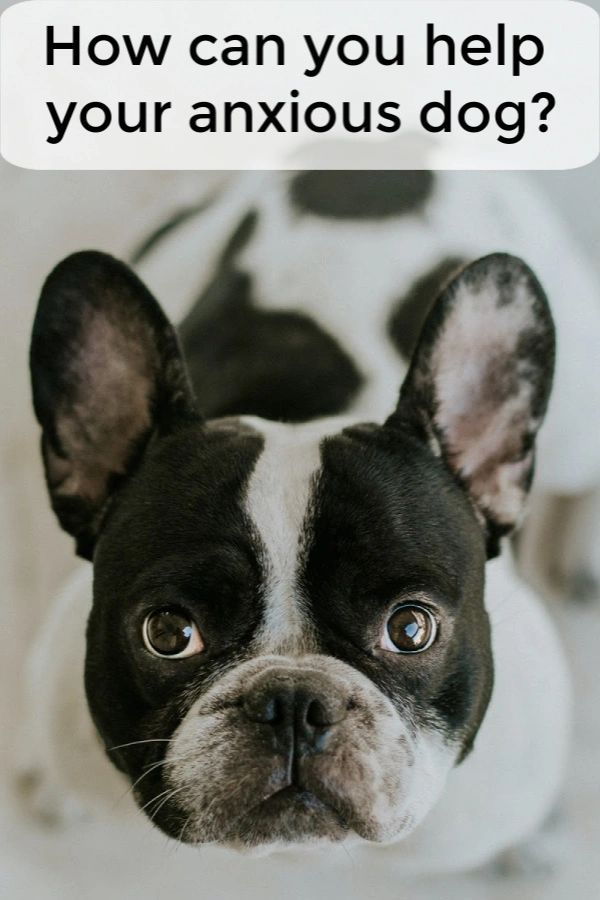
Why is my dog acting this way?
Sometimes events happen that turn your lovable mutt into a mess. For example, have you ever noticed that when a thunderstorm hits, your dog runs for the basement? Dogs can hear that or other scary sounds long before we're aware of it. Possibly, you see these behaviors when you go to the vet’s office? That’s definitely a place that most dogs are less than fond of. All those loud noises, like fireworks, hurt the ears and provoke anxiety too.
These situations and many more can cause your dog some discomfort. You might not be able to prevent anxiety provoking situations, but you can learn when to anticipate that your dog will have a problem and help prepare them to deal with it.

How can you help your dog to tolerate these anxiety-producing events?
There are several steps you can take in order to be prepared. You may not be able to get rid of the fear completely, but anything you can do to minimize the anxiety will help.
- The first step is to KNOW your dog. Seems simple, right? But how well do you really know them? Do you know the top few situations that make them nervous? How do they react?
- Once you are aware of the issues, you can get ahead of the situation with a plan. For example, if thunderstorms are a problem, knowing they are in the weather report and roughly when they’re predicted can allow you to keep your dog inside, use medicines, music, etc., to keep them calm.
- Explore techniques that help decrease anxiety ahead of time so you can use them effectively.
- If you can, be present with your dog. You provide a whole lot of security to them. If you can’t be there, try to have a safe place like a kennel, a comfy bed, or a favorite toy so they can feel protected.
- After the situation, evaluate what worked and what didn’t. You now have a chance to refine your approach so next time, things can be even better for your dog.
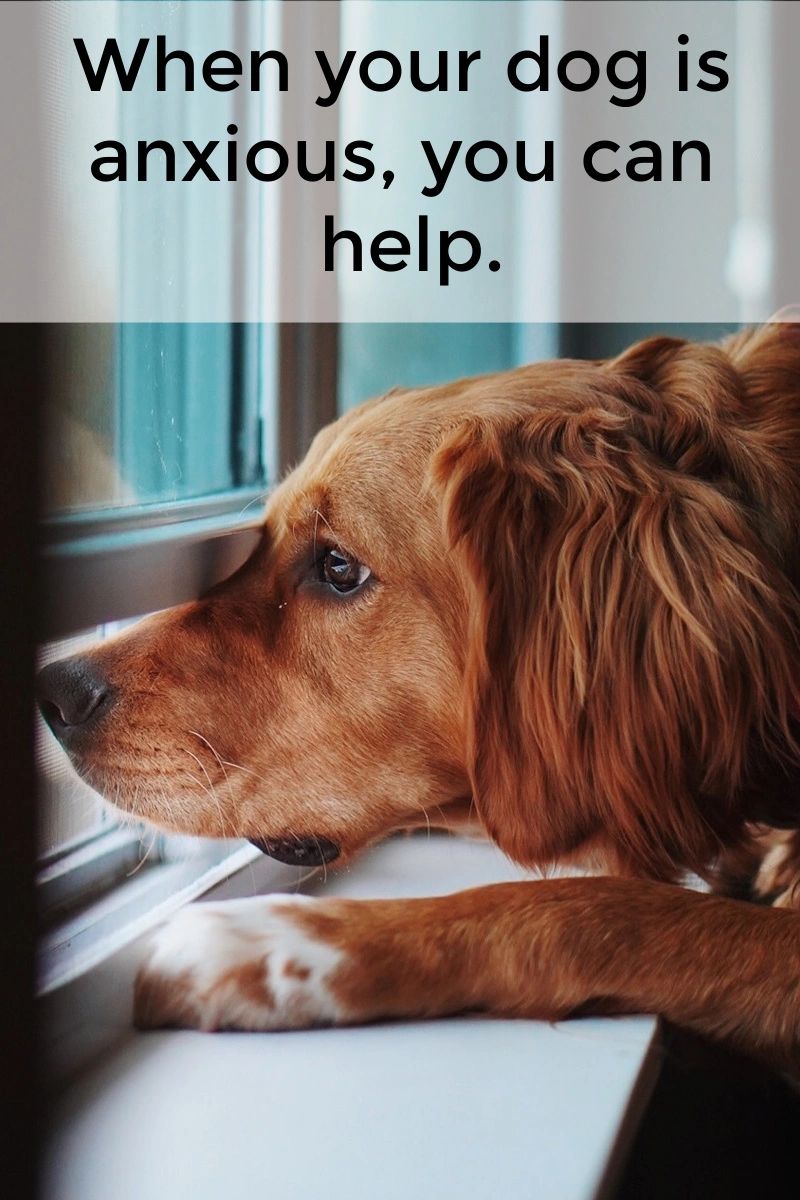
Techniques for decreasing anxiety
Learn about several methods of reducing anxiety ahead of time so you know when they'll be most effective and have whatever it is on hand.
Here are a few you might consider:
- Thundershirts, which work in the same way as swaddling a baby for calming. This method works short term, but the effects are almost immediate.
- CBD or hemp oil, treats, etc. that have become popular for calming. You have to purchase ahead of time from a reliable source, hopefully one that tests their product for effectiveness. It can work for a few hours, but has to be in their system long enough to work before the stress level gets to be too much.
- Medications from the vet can be helpful, but they can have side effects and have to be purchased before you need them. These also have to be in their system ahead of time to work well.
- Calming music can work pretty quickly. If you have a source ready to use, this is a great anytime technique for anxiety.
- Exercise can wear off anxious energy. If you know ahead of time about a stressful situation, you can take your dog on a good hike or run so they don't reach the breaking point.
- Acupressure can be helpful, even during a scary situation. There are many resources that will help you locate the best acupoints to use. Although if your dog has lost it, it will take much longer, so better to use it before they reach the breaking point.
There are probably many more techniques that can help, so do some research and give it a try. You can evaluate how something works and adjust for the next time. Combining techniques might help. Having several approaches means a greater chance of success.
Your dog can be less anxious
Knowing that something is likely to cause anxiety and getting ahead of the situation allows you to be proactive before your dog reaches that “about to jump out of their skin” state. Once the anxiety reaches that level, it’s really hard to diffuse. Catching it early gives you a better chance of helping your dog have minimal reactions or maybe even none at all.
Figure out what turns your sweet pup into an anxious dog. They don’t do it to be naughty. You can help them to handle situations better by applying a few tips and tricks. You’ll both feel better if you do.
Do you have some techniques you’ve used that help your dog feel less anxious? Tell me about them in the comments below.
.




No comments:
Post a Comment